When we think of amazing wildlife, our minds often wander to the African savannah or the rainforests of South America. But the truth is, there’s a world of fascinating creatures living quietly right in our own backyards. Whether you’re in the heart of the Midwest, the edges of a forest, or near a riverbank, there are local animals with incredible stories, adaptations, and beauty—waiting to be noticed (and responsibly photographed).
Here are five remarkable animals you might not realize are native to regions like the Central U.S. (including Nebraska), and tips on how to respectfully capture them through your lens.
1. Eastern Screech Owl
Why It’s Fascinating: Despite its small size and haunting trills, this owl is a stealthy predator of rodents and insects. It’s a master of camouflage, blending perfectly into tree bark.
Where to Spot It: Wooded parks, suburban tree-lined neighborhoods, or near water sources at dusk or early dawn.
Photography Tip: Use a long lens to keep a respectful distance. Avoid flash, and listen for their distinct whinny-like call to locate them before they’re visible.

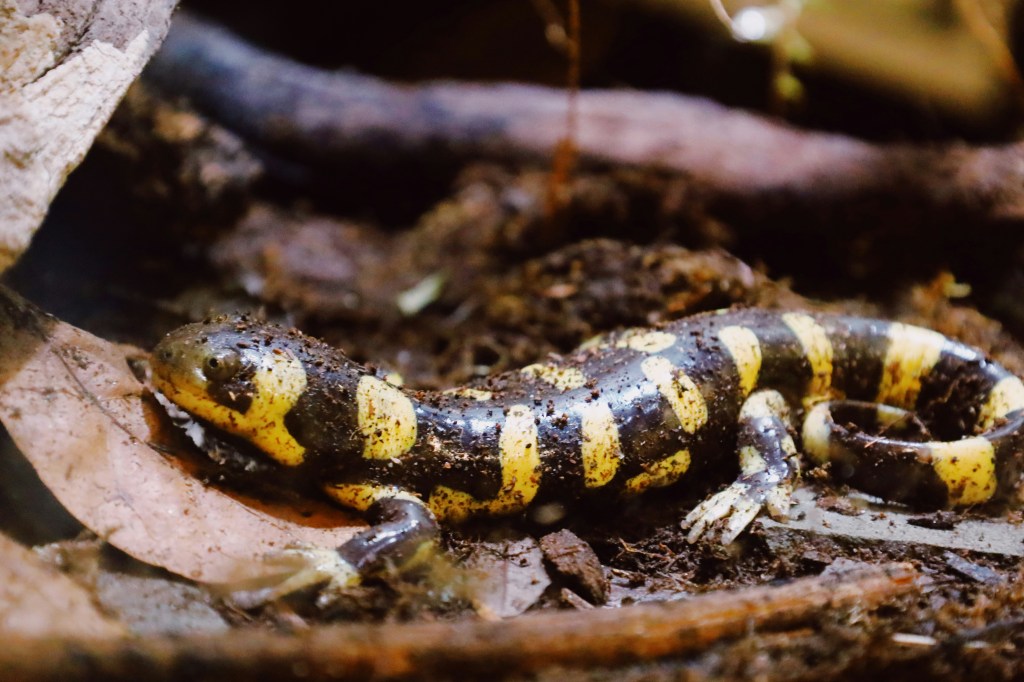
2. Tiger Salamander
Why It’s Fascinating: The largest land-dwelling salamander in North America, tiger salamanders are secretive and spend most of their lives underground. They’re a sign of a healthy ecosystem.
Where to Spot It: Moist grasslands, near ponds or seasonal wetlands. Most active during rainy spring nights.
Photography Tip: These creatures are sensitive to handling and light. Photograph them in natural light during or after rain, and never disturb their environment.
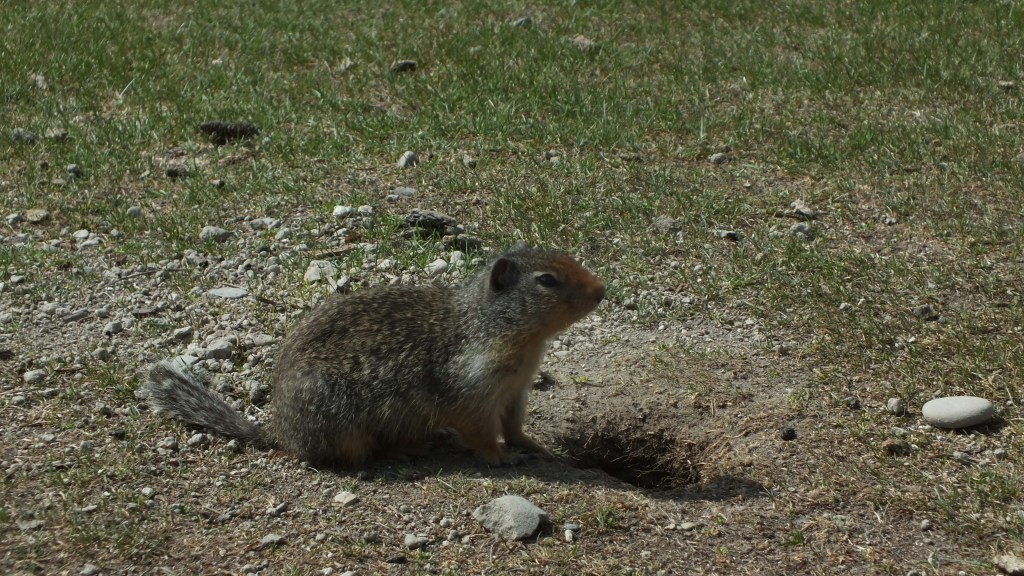
3. Franklin’s Ground Squirrel
Why It’s Fascinating: Unlike typical tree squirrels, Franklin’s ground squirrels are shy, fast-moving, and largely unseen. They play a critical role in grassland ecosystems and are considered a species of concern in some states.
Where to Spot It: Native tallgrass prairies, open fields, and roadside embankments.
Photography Tip: Patience is key. Use a telephoto lens from a vehicle or a low blind to avoid scaring them. Early morning is best when they forage.
4. Blanding’s Turtle
Why It’s Fascinating: With its bright yellow chin and wide smile, Blanding’s turtle is both charismatic and elusive. It’s semi-aquatic and can live for over 70 years.
Where to Spot It: Shallow wetlands, marshes, or prairie potholes. Sightings are rare due to their threatened status.
Photography Tip: Observe from a distance with a zoom lens. Never pick up or relocate turtles. Support local wetland conservation efforts that protect their habitat.

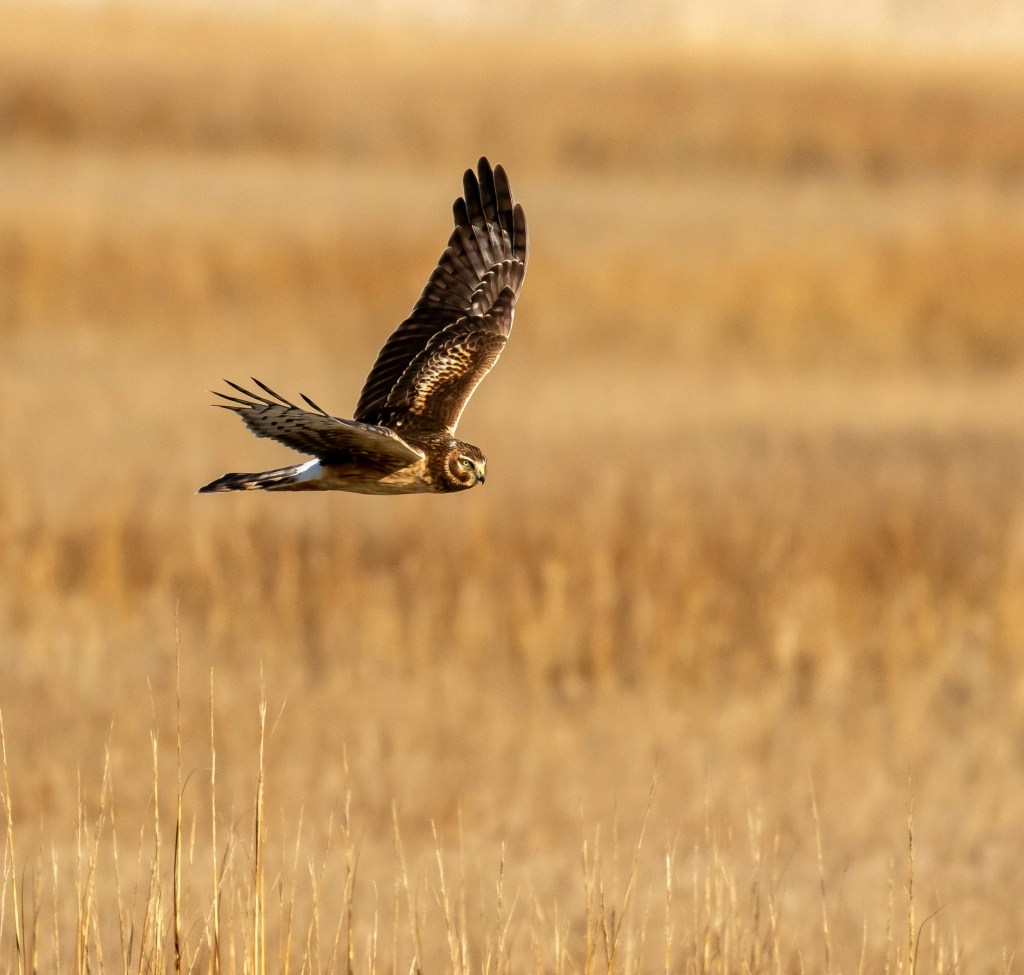
5. Northern Harrier
Why It’s Fascinating: This slim, graceful raptor glides low over fields in search of prey, often identified by its owl-like face and white rump patch. It’s one of the few raptors that rely heavily on hearing as well as sight.
Where to Spot It: Open grasslands, wetlands, and nature preserves.
Photography Tip: Capture the harrier in flight with a fast shutter speed and continuous autofocus mode. Morning light creates beautiful backlighting for in-flight shots.
Respectful Wildlife Photography: A Quick Guide
- Keep Your Distance: Always photograph with a long lens to avoid disturbing the animal’s behavior.
- Never Bait or Call: Let the animal appear on its own terms.
- Leave No Trace: Stay on trails, avoid nesting areas, and pack out everything you bring in.
- Learn Before You Go: Research seasonal patterns and local ethics to ensure your presence doesn’t interfere with the wildlife.
Final Thoughts
You don’t need to travel across the globe to find captivating wildlife. Sometimes, the most fascinating creatures are the ones we overlook in our everyday surroundings. Grab your camera, practice patience, and let curiosity guide your next local adventure.
📸 Have you spotted one of these animals near you? Tag your wildlife photos with #TheAnimalAperture and share your story!

 Animal Aperture
Leave a comment